The Saltee Islands
These islands are privately owned by the Neale family. We have no connection or affiliation whatsoever with any ferry operation bringing visitors here. Furthermore, the owners do not – and never have – received any payment, income, or benefit of any kind from visitors travelling to or visiting the island.
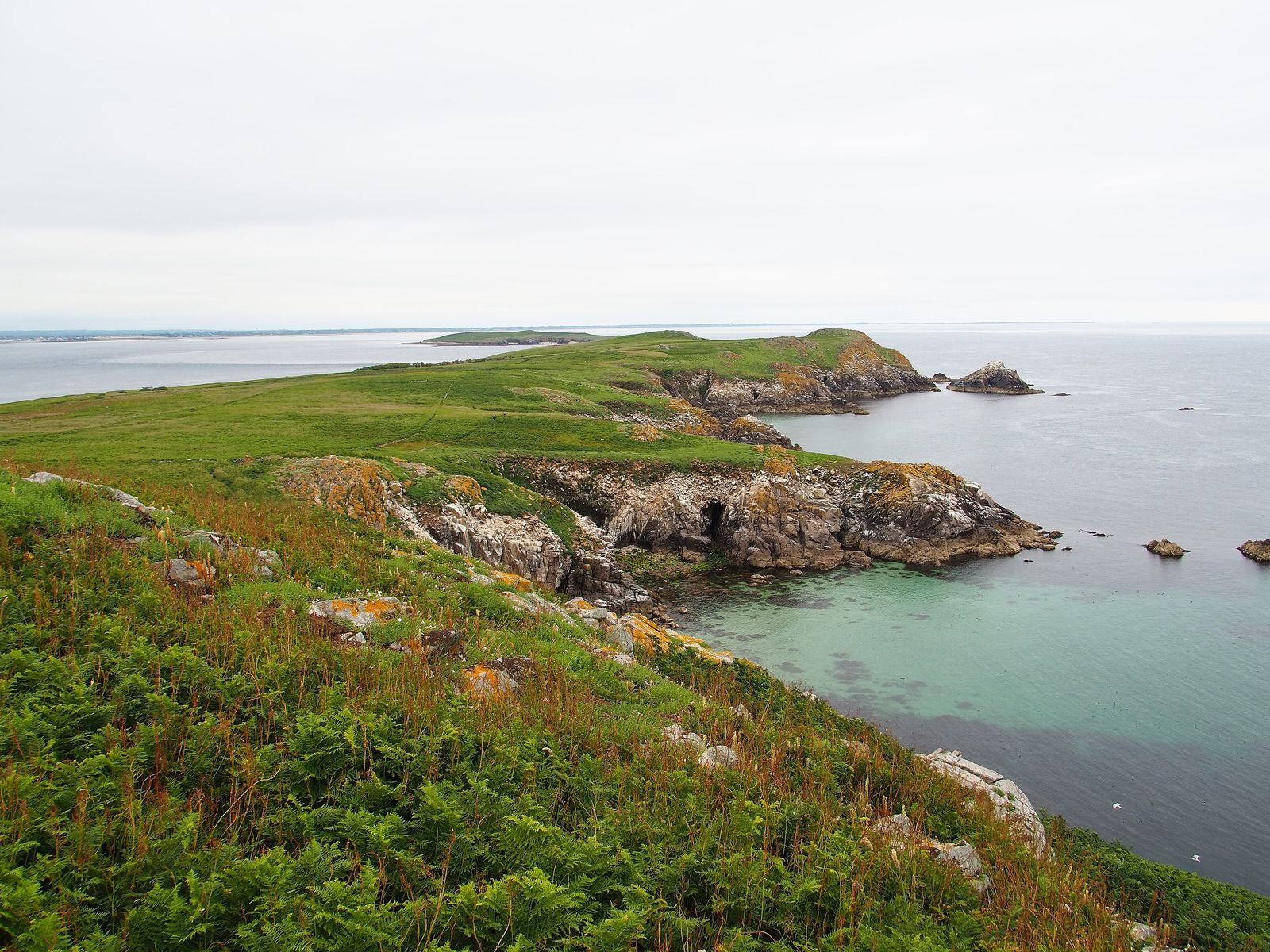
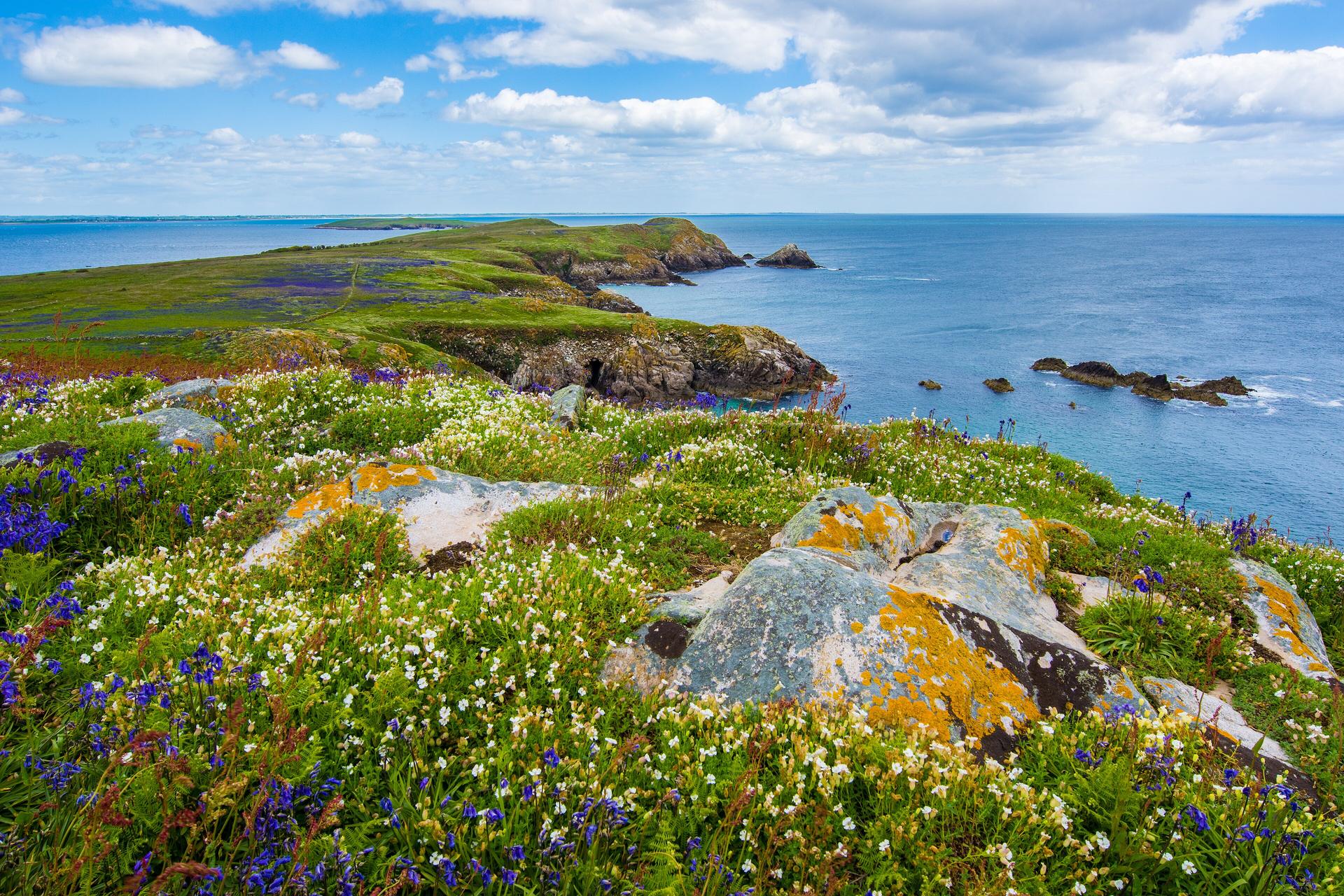
The Great and Little Saltee lie in St. George's Channel, about 5 km off Kilmore Quay, Co. Wexford.
Wildlife
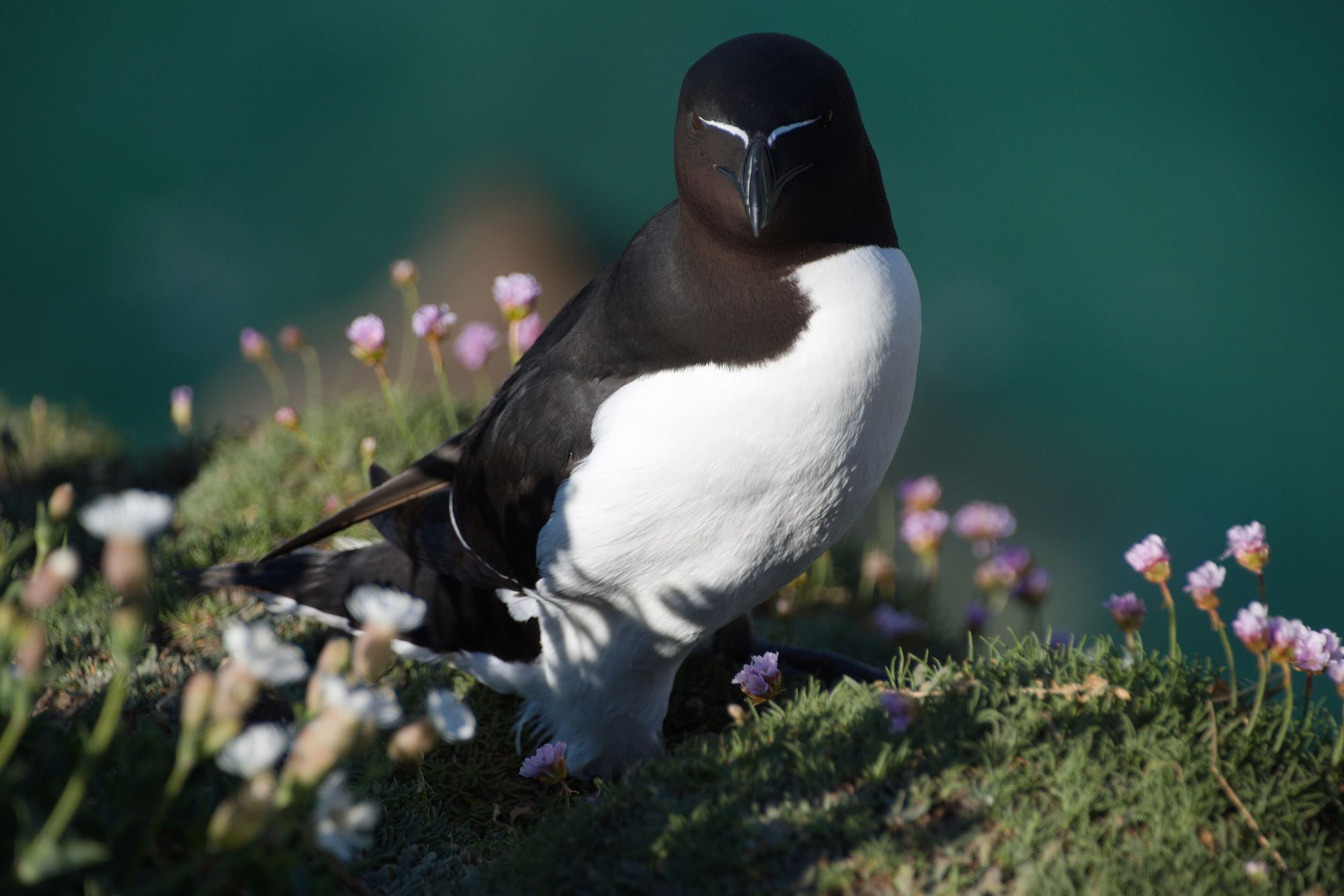
The Great Saltee is a haven for seabirds – from Gannets and Gulls to Puffins and Manx Shearwaters – and a popular stopping-off point for spring and autumn migrants. It also has one of the very few breeding colonies of Grey Seals in eastern Ireland: up to 120 in autumn, with up to 20 pups born each year.
History
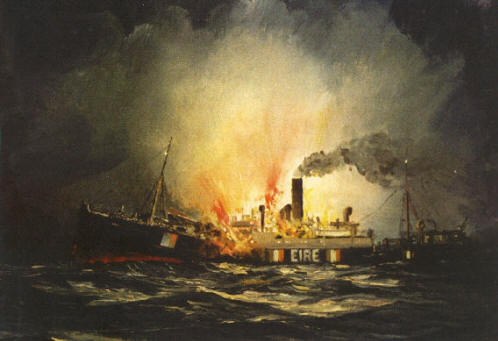
Among the most ancient islands in Europe, the Saltees sit on Pre-Cambrian bedrock 600 to 2,000 million years old. Neolithic settlers, early Christian hermits, Vikings, Normans and medieval monks all lived here, while pirates from Spain, France, North Africa and America preyed on passing merchant ships. In the days of sail, the surrounding waters became known as “the graveyard of a thousand ships”.
Name & family
The name suggests a Norse origin – Salt ey, “salt island” – after the salt spray that sweeps across the islands in winter storms.
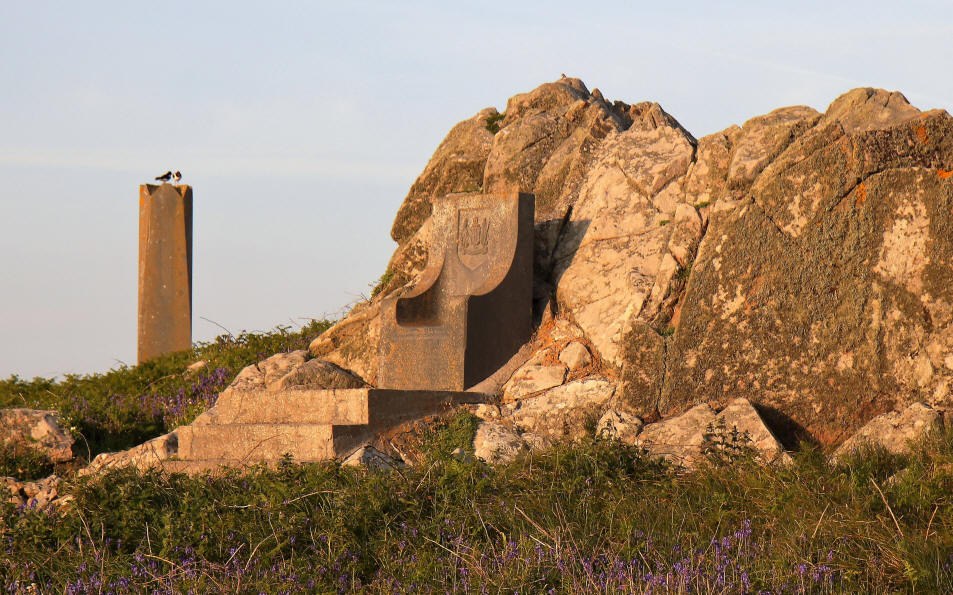
In December 1943 the islands were bought privately by the late Prince Michael the First. He died in 1998 and is buried in the family vault at Bannow Bay, Co. Wexford.
52° 8′ 30″ N · 6° 41′ W